

 5 min read
 August 29, 2023
Digital HR isn’t a nice-to-have. It’s not a shiny Porsche or a fancy coffee machine. It’s essential!
Only 9% of HR functions are highly efficient and highly aligned with organisational needs, according to Gartner. As more and more work moves into the virtual sphere, businesses need virtual HR structures and systems that can scale with them.
But timing is everything. Too much too fast, and companies struggle to see a return on investment in digital HR. Too slow, and teams grow frustrated with a seemingly endless digital transformation project.
The pandemic pushed us into the virtual sphere at breakneck speed. And if we’re being honest, it did break a few businesses on the way.
But we’re forgetting that it’s not a lockdown anymore. We can take a step back, evaluate, and move intelligently into the digital future.
So how can you approach digital HR solutions sustainably – with minimal disruption and maximum return on investment?
Let’s explore.
Why Introduce Digital HR Solutions Early
Modern HR platforms are designed to grow with your business. If you introduce a basic version early, you’ll already be familiar with using an HR platform when you need to scale it up.
Instead of rushing to fill gaps in your HR capabilities when things get busy, you can increase automation and digital transformation steadily. You skirt the disruption that comes with implementing new technology. And you get the luxury of time – more room to think strategically.
A process set-up at the beginning is much harder to dismantle further down the line. Digital HR lets you get those processes right the first time, ironing out inefficiencies before they appear.
Instead of being bogged down with repetitive tasks, your people get stimulating work – and more time to think about enhancing company culture, engaging employees, and attracting recruits.

When to Introduce a Digital HR Solution
How to Digitise Human Resources (HR) Processes
The earlier you introduce a digital HR solution, the easier it will be to scale with it.
Starting small – with a few simple software automations – gives your people time to acclimatise to digital HR.
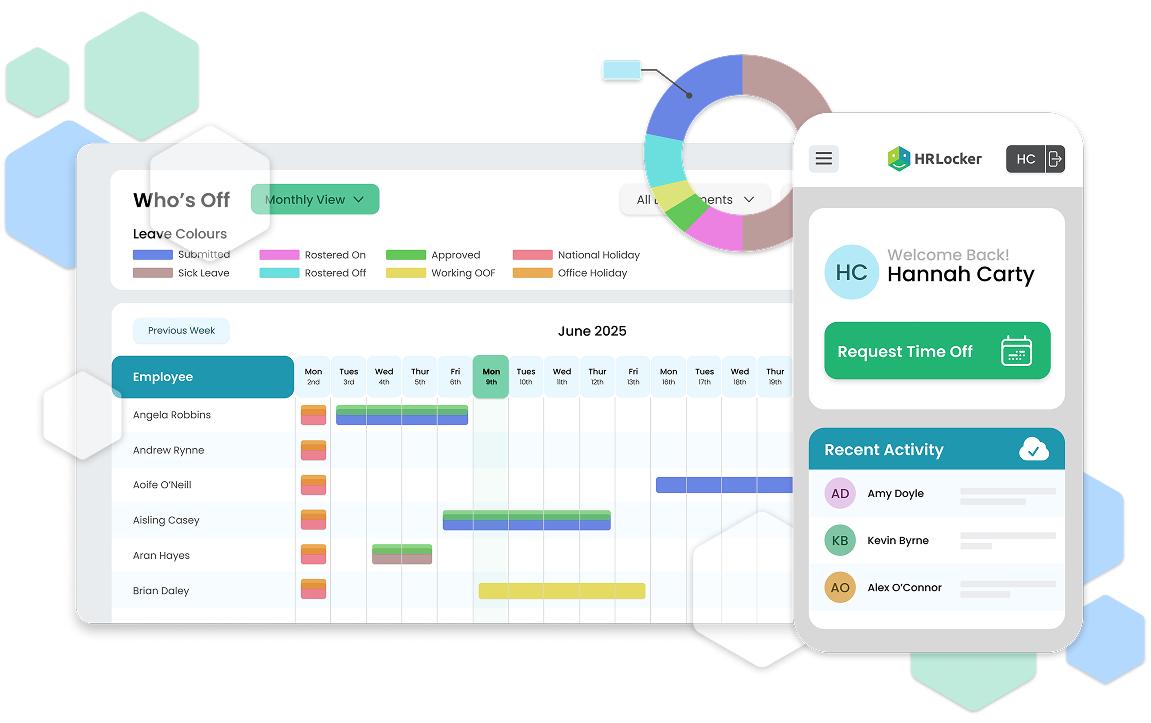
A digital HR solution doesn’t automatically mean an enterprise-level platform with a library of functionality. It can be a software package that allows you to automate tasks like booking annual leave, recruitment communications, and basic onboarding tasks.
Start by automating the tasks that make your teams less productive. Things like searching for distributed information that could be centralised in one secure database. Or booking holidays using manual approvals, when you could have an automated system in place to record and approve leave.
78% of candidates would drop out of a recruitment process that’s overly long or complex. However, a digital HR platform can expedite the recruitment process immediately – with an integrated ATS, automated candidate messages, and simple calendar integrations for booking interviews.
The benefits aren’t just time and resource savings, but also increased autonomy – something modern employees are actively seeking. Empower employees with a personal app, and they can take control of recording their time. They can identify where they’re spending a lot of time, whether it’s too much time, and course-correct independently. Employees get to manage their time, instead of letting it manage them.
Three Tips for Introducing a Digital HR Solution Effectively
Start Slow, Start Small
Introduce digital HR as early as possible and automate the really simple things first. Focus on what you can do to make the business more productive, and your people more satisfied with their jobs.
Just as AI tools like ChatGPT can give people more room to think – by helping with the structuring, consolidating, and presenting of information – systemising gives teams more room to strategise and focus on creating impact for employees.
Digital HR removes the clunky workflows and inefficient structures that hold people back and gives them time to think and take action.
Pick Something That Fits Your Needs Now and Scales With You Later
Buying a complicated enterprise HR solution in the early days is like buying a 20-bedroom house as the sole occupant. You pay for a library of functionality that you don’t use – which means it’s harder to make a return on your initial investment. Remember: automate the basics first.
Ideally, you want to work with a platform with at least three years’ scope. Choose a system that can solve the immediate issues in your business, and has the potential to solve the ones you foresee in six months.
Modern HR platforms are responsive to their users – don’t think you can’t have your say on what you need from a platform.
In three years, just as your business will have evolved, your HR platform will have evolved too. Pick something with the potential to scale, and you won’t need to go through the rigmarole of integrating new software.
Automation First, Analytics Second
There’s more to digital HR than automation. Analytics and insights can help you protect and uplift your people. By keeping an eye on the trends, you might spot an employee putting in extra hours. This opens the door for critical conversations: Are they having trouble with their job? Are they unresourced? Do they need help? Do they need more training?
However, it takes time before analytics can add real value to your business. You need volume and time to spot patterns and trends. If it’s just a handful of you, there aren’t enough data points to draw useful conclusions.
Start with automation and progress to analytics. As the company grows, activity increases, and people join the team, there’s more you can do with analytics. Bide your time.
Don’t buy a 20-bedroom house! Digital transformation in HR goes wrong when people try to do too much too fast, so focus on a single challenge and start there.
When it comes to HR solutions, look for something that will scale with you (but won’t overwhelm your team). Remember: a 20-bedroom house requires a whole lot of cleaning.